20 Aug 2026
Austria's Framework for Certifying RNG Integrity in Virtual Gaming Platforms
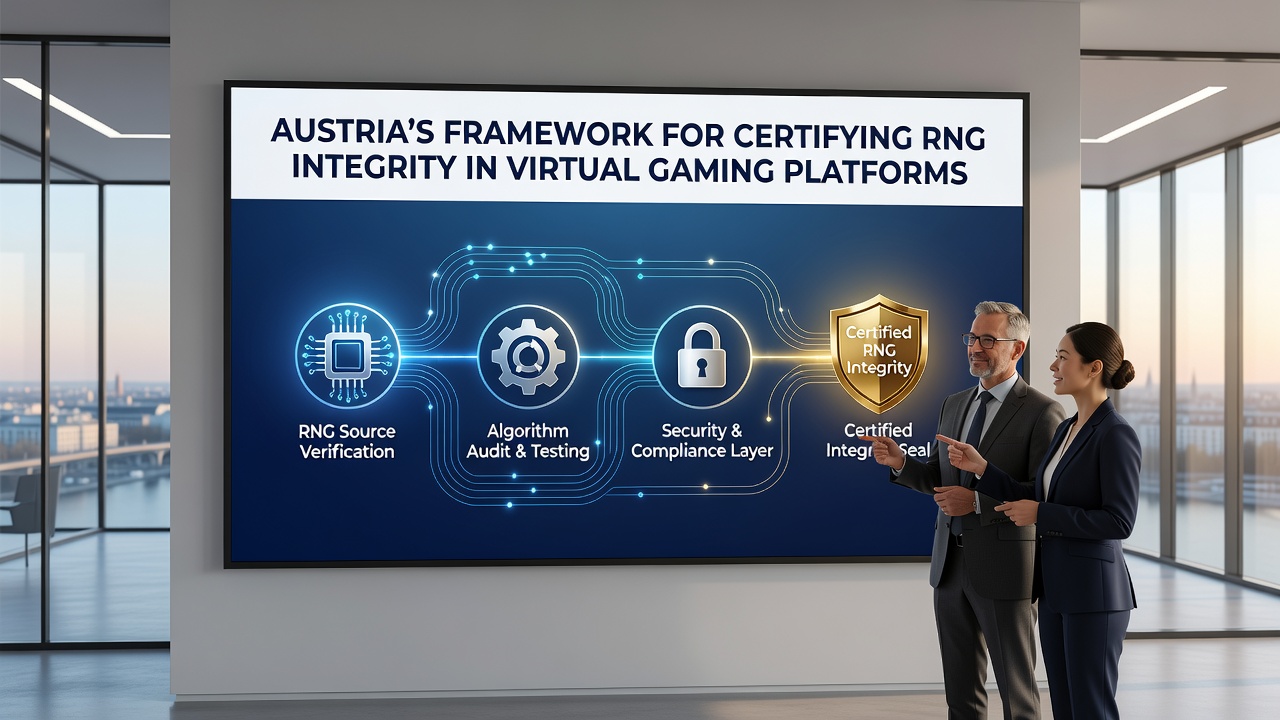
Austria maintains a structured system for verifying random number generator integrity across virtual gaming platforms, and this framework operates under the Austrian Gaming Act along with supplementary directives from the Federal Ministry of Finance. The process requires operators to submit detailed technical documentation that demonstrates consistent randomness in game outcomes, while independent testing laboratories perform statistical evaluations using established protocols such as those outlined in ISO/IEC 19790 standards. Observers note that these requirements apply to slot machines, table games with random elements, and live dealer interfaces that incorporate digital randomization, ensuring every certified platform meets uniform criteria before receiving approval for operation within the country.
Core Components of the Certification Process
Certification begins when platform operators engage accredited laboratories that specialize in RNG analysis, and these labs conduct extensive testing cycles that include millions of generated sequences to verify uniformity, independence, and unpredictability. Researchers at institutions such as the Vienna University of Technology have contributed methodologies for entropy measurement that Austrian authorities now incorporate into their evaluation guidelines, while data from the European Commission gambling reports shows how member states coordinate on technical standards to reduce discrepancies in cross-border operations. The framework also mandates ongoing audits at regular intervals, so any detected deviation from expected statistical distributions triggers immediate re-evaluation and potential suspension of the gaming license.
Role of Accredited Laboratories and Regulatory Oversight
Accredited laboratories must hold recognition from both Austrian authorities and international bodies, and they apply test suites that include the Diehard battery, NIST statistical tests, and custom algorithms developed for specific game types. Government records indicate that certification typically spans four to eight weeks depending on the complexity of the RNG implementation, while platforms using hardware-based generators face additional scrutiny regarding physical security measures and tamper detection systems. Experts have observed that this layered approach prevents manipulation attempts and maintains player confidence, particularly as virtual gaming volumes continue to rise in the Austrian market.
Developments Scheduled for August 2026
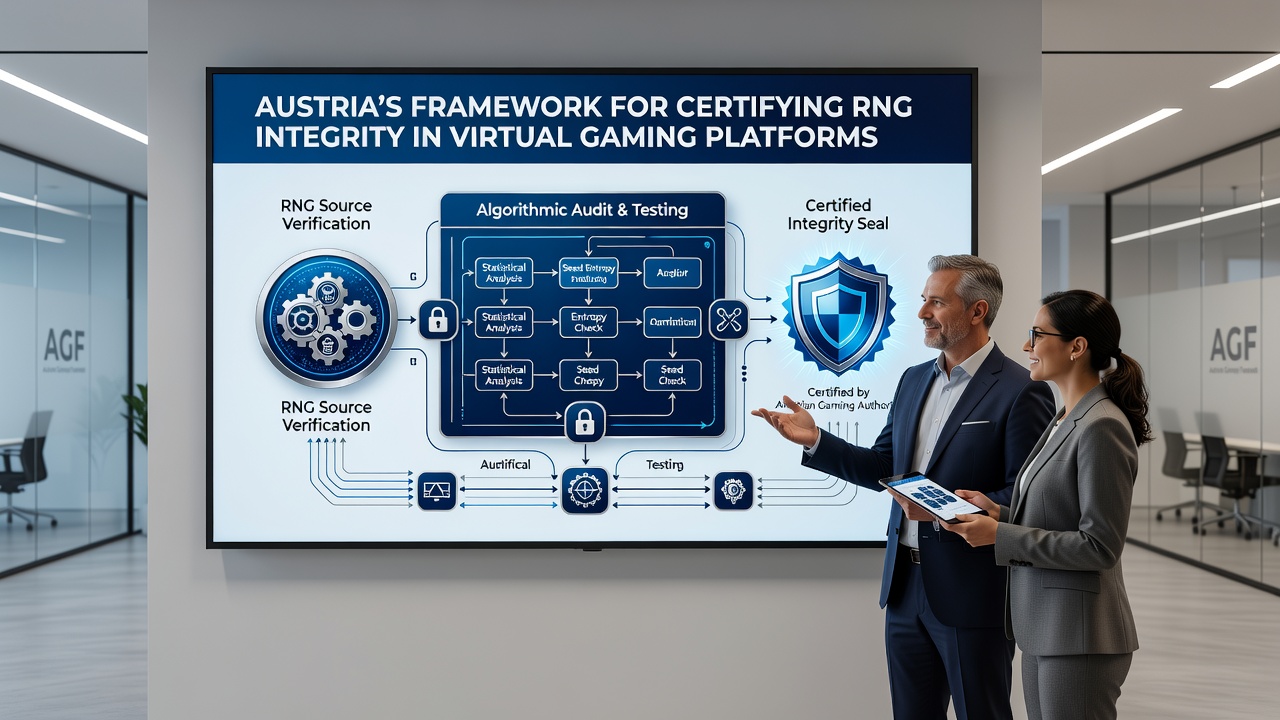
Regulatory updates scheduled to take effect in August 2026 will introduce enhanced requirements for real-time monitoring of RNG performance, and operators must integrate continuous logging systems that transmit anonymized data streams to a central oversight portal maintained by the Austrian authorities. These changes build on existing procedures by adding mandatory blockchain-based audit trails for sequence verification, which allows regulators to confirm integrity without accessing proprietary source code. Industry reports from organizations such as the European Gaming and Betting Association highlight how similar technical upgrades in other jurisdictions have improved detection rates for anomalies, and Austrian policymakers have aligned their timeline with these broader European trends to facilitate smoother compliance for multinational platforms.
Technical Standards and Statistical Requirements
Platforms must demonstrate that RNG outputs pass chi-square tests, serial correlation analyses, and poker tests with results falling within predefined confidence intervals, while hardware RNGs require certification of their entropy sources through physical measurement and environmental stress testing. The framework distinguishes between software-based pseudorandom generators and true random sources derived from physical phenomena, applying different validation thresholds accordingly. Studies conducted by the Austrian Institute of Technology have informed these distinctions, providing empirical benchmarks that laboratories use during the approval process.
Integration with Broader Gambling Regulations
RNG certification forms one element within Austria's comprehensive licensing regime, which also covers player protection measures, anti-money laundering protocols, and responsible gaming tools. Operators who achieve RNG approval still undergo separate evaluations for financial solvency and data security, creating a multi-stage pathway that all virtual platforms must complete before launching services. This integrated structure ensures that technical integrity supports wider consumer safeguards rather than operating in isolation.
Conclusion
Austria's approach to RNG certification continues to evolve through technical refinements and scheduled regulatory enhancements, with the August 2026 updates representing the next phase in maintaining verifiable fairness across virtual gaming environments. The combination of independent laboratory testing, statistical rigor, and centralized oversight provides a model that other jurisdictions reference when developing their own standards, while ongoing collaboration with European partners supports consistency in an increasingly interconnected market.